The Science Behind Paint Selection: Matching Colors to Your Home’s Architectural Style Feb 11, 2026
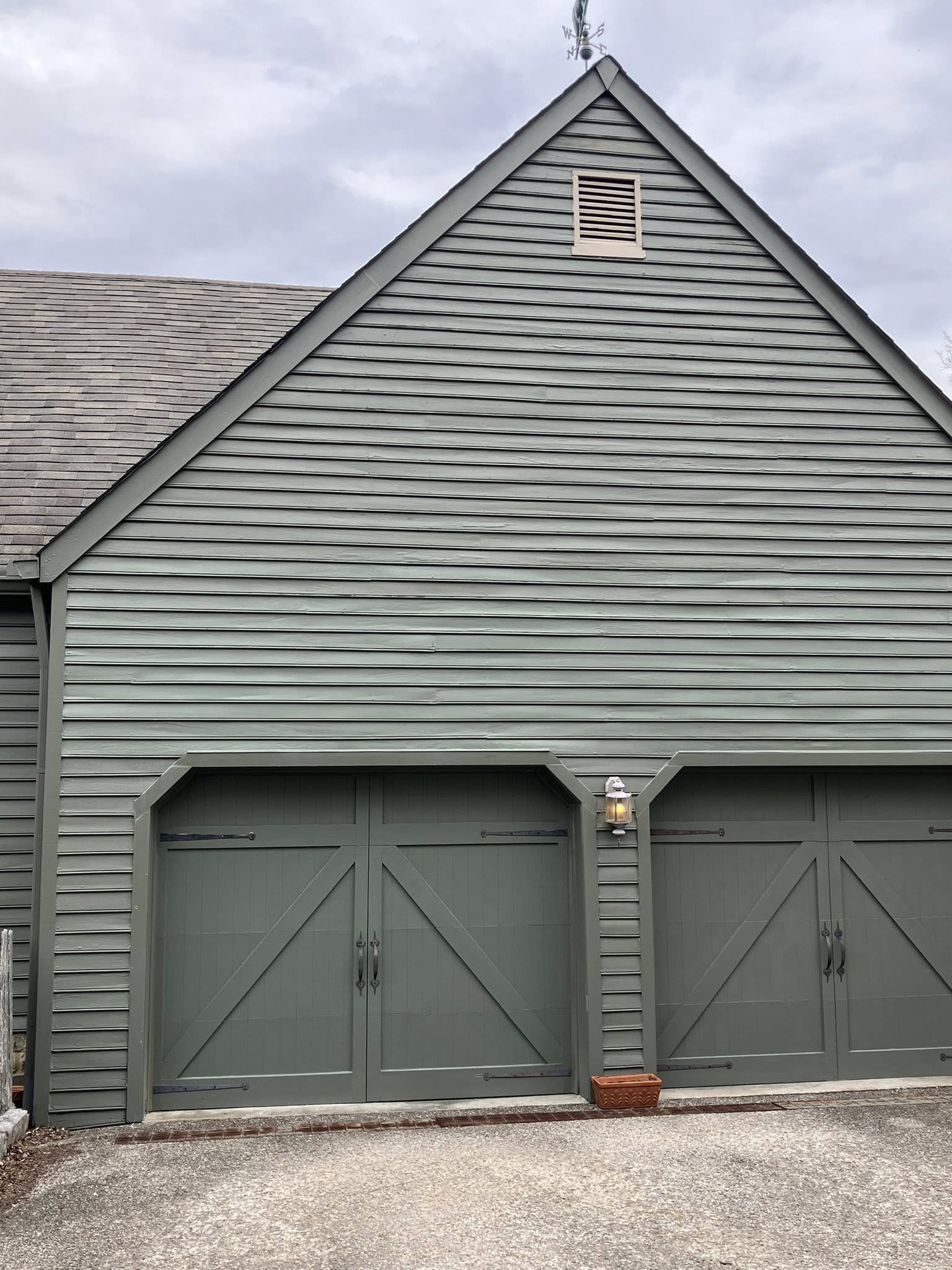
When selecting paint, it's crucial to consider the age and architectural style of your home. Whether you own a Victorian, modern, or mid-century property, remember that each structure boasts unique characteristics that paint can either highlight or overshadow. For instance, Victorian homes often pair well with deep, regal colors like emerald green or burgundy. These shades reflect the opulence of the era and enhance intricate details. On the other hand, modern homes benefit from sleek, monochromatic palettes. Grays, whites, and blacks are ideal for modern homes as they maintain the clean lines and minimalistic charm inherent to the style.
Once you've identified the key characteristics of your home's architectural style, it's time to consider the dominant light sources in and around the space. Natural and artificial lighting can drastically alter the appearance of a color. For example, a room receiving ample natural light will make colors appear brighter and cooler. In contrast, artificial lighting tends to warm up colors. For rooms with generous natural light, consider using saturated colors that bring warmth and balance, whereas dimly lit spaces may benefit from lighter tones to add a feeling of openness.
The color wheel is a fundamental tool in the science of paint selection, guiding homeowners in creating a cohesive color scheme. Complementary colors—those opposite each other on the wheel—create contrast and draw attention to specific areas. Analogous colors, sitting next to each other, offer a subtle, pleasing palette that suits any living space. Opt for a rusty orange and navy blue combination to enhance a classic colonial home, or use varying shades of blue and green for a beach house vibe.
Textures and finishes also play a significant role in how color is perceived. A high-gloss finish will add vibrancy and energy to any space, ideal for modern homes aiming for a bold statement. Meanwhile, a matte finish offers a subtle, sophisticated look for more traditional homes. Considering the texture and finish not only enhances the visual appeal but also affects durability and maintenance, an essential aspect for any homeowner.
Throughout the painting process, take advantage of samples to see how colors look on your walls at different times of the day. Swatches can be misleading if not observed in various lighting conditions. Additionally, consulting with a professional like Small Town HandyMen can provide invaluable insights tailored to your specific needs, ensuring an exemplary result.
In conclusion, understanding the science behind paint selection can make all the difference in transforming your space. By considering your home’s architectural style, lighting, harmonious color combinations, textures, and finishes, you can achieve a beautifully cohesive aesthetic. Partner with a trusted painting service like Small Town HandyMen to not only elevate your home's exterior but to enrich your daily living space's quality and ambience.
/filters:no_upscale()/filters:format(webp)/media/FHOROF6ZHO42PCA6MA6VIZQMBEWQZ5X3JI909MD4.jpeg)
/filters:no_upscale()/filters:format(webp)/media/f5f08909-cc33-4cb2-be2f-c6b0d7260a58.jpeg)